
An Interview With Eng Khaled Al Sabae Ai And Infrastructure Challenges In En
author: Eng. Khaled Al-Sabae category: Technology categorySlug: tqnyh date: '2025-07-31' heroImageSrc: /images/blog/headers/hwr-ma-lmhnds-khl... tags: - smart-cities - ai - technology category: smart-cities
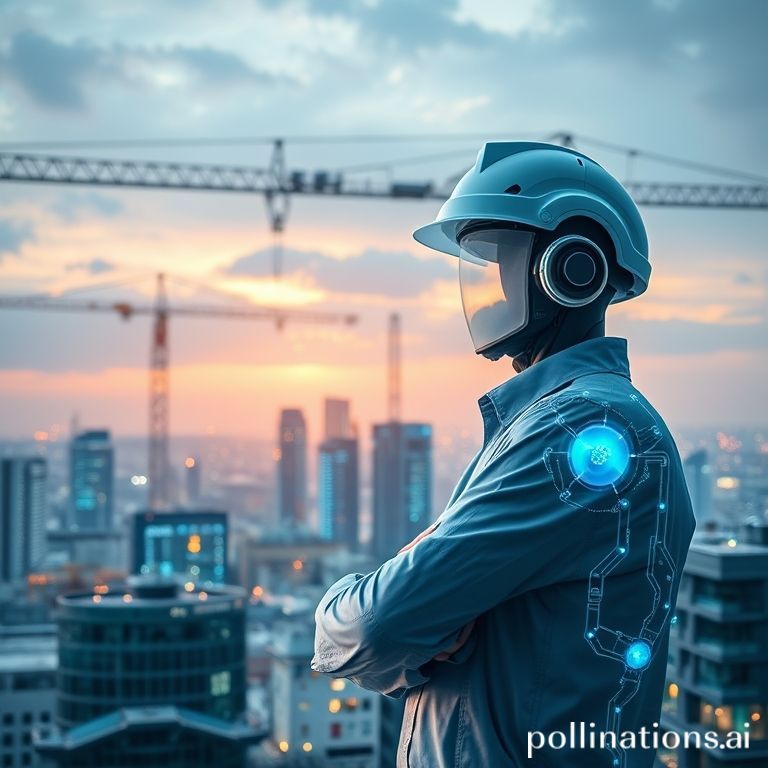
author: Eng. Khaled Al-Sabae category: Technology categorySlug: tqnyh date: '2025-07-31' heroImageSrc: /images/blog/headers/hwr-ma-lmhnds-khld-lsba-ldhka-lstnay-wthdyt-lbnyh-lthtyh-fy-lshrq-lwst-1750689929394.jpg imageAltText: An image showing a modern Arab city with advanced digital infrastructure and integrated AI elements. metaDescription: Exploring the future of Artificial Intelligence in the Middle East, and the challenges facing digital infrastructure, through an engaging interview with Eng. Khaled Al-Sabae. An in-depth discussion on opportunities and challenges. readTime: 2 min slug: an-interview-with-eng-khaled-al-sabae-ai-and-infrastructure-challenges-in tags:
- Artificial Intelligence
- Infrastructure
- Middle East
- Technology
- Eng. Khaled Al-Sabae title: "An Interview with Eng. Khaled Al-Sabae: AI and Infrastructure Challenges in" the Middle East' wordCount: '359'
Introduction
In this interview, we host Eng. Khaled Al-Sabae, a prominent expert in the field of information technology, to discuss the development of Artificial Intelligence and its impact on infrastructure in the Middle East. We will address the challenges and opportunities that this growing field presents, and how the region can keep pace with global progress.
Artificial Intelligence: Reality and Aspirations
Question: Eng. Khaled, how do you see the development of Artificial Intelligence in the Middle East compared to developed countries?
Answer: The Arab world is witnessing rapid growth in the field of Artificial Intelligence, but we still face significant challenges. These challenges include a shortage of specialized expertise and competencies, in addition to a lack of investment in research and development. However, there are immense potentials, and a growing political will to support this vital sector. We see ambitious governmental and private initiatives, but more effort must be made to bridge the gap with leading countries.
Infrastructure Challenges
Question: What are the most important challenges facing digital infrastructure in the Middle East that hinder the spread of Artificial Intelligence?
Answer: The most important challenges are summarized in:
- Lack of High-Speed Internet: Access to high-speed internet is still limited in some areas, and this is essential for AI applications that require massive data transfer.
- Energy Shortage: AI systems consume large amounts of energy, and this poses a challenge in light of energy shortages in some countries.
- Cybersecurity: The security of data and systems from cyberattacks must be ensured, and this requires significant investments in cybersecurity.
- Human Expertise: As I mentioned earlier, there is a shortage of qualified human competencies to work in the field of Artificial Intelligence.
Available Opportunities
Question: Despite the challenges, what opportunities does Artificial Intelligence offer to the Middle East?
Answer: The opportunities are immense! Artificial Intelligence can contribute to solving many problems facing the region, such as:
- Improving Government Services: Providing more efficient and effective government services.
- Economic Development: Creating new job opportunities and improving productivity in various sectors.
- Healthcare Sector: Diagnosing and treating diseases more accurately and quickly.
- Agriculture: Improving agricultural production and reducing waste.
Conclusion
Artificial Intelligence is a valuable opportunity for the Middle East to progress and prosper, but it requires concerted efforts from governments and the private sector to invest in digital infrastructure and develop human competencies. With proper planning and strong will, the region can play a leading role in this field.
Link to the Ministry of Communications and Information Technology website Link to a study on AI in the Middle East