
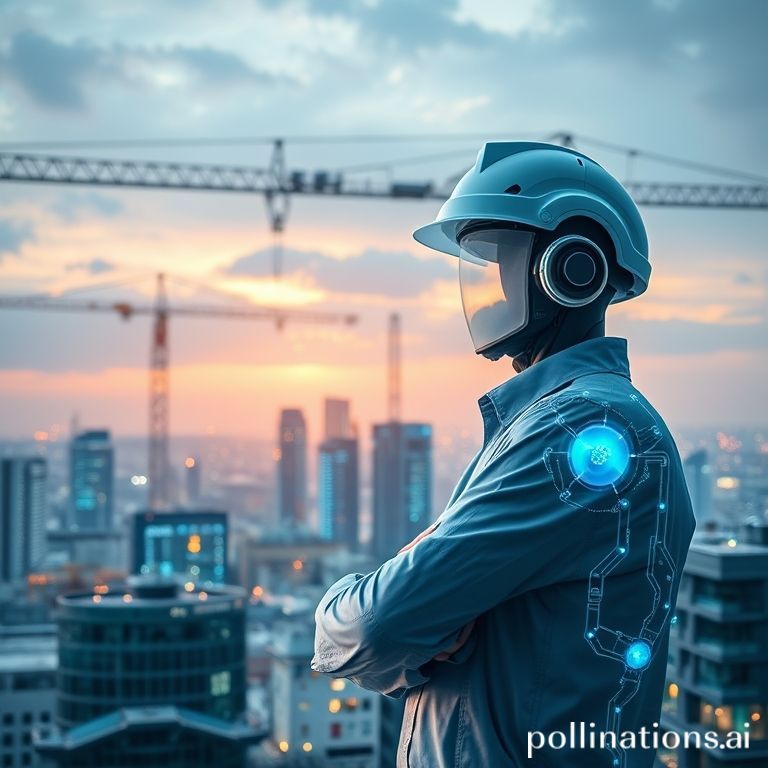
The moral dimensions of artificial intelligence in smart buildings design
The world is experiencing an accelerated development in the field of artificial intelligence (AITIFICATIONCE - AI), which has greatly affects various sectors, including the construction sector. Artificial intelligence technologies are currently used in smart buildings design, which enhances their efficiency and sustainability. But with this progress, important moral questions arise about the use of these technologies, and their effects on society and the environment. This article aims to review these moral dimensions, with a focus on the experience of the Kingdom of Saudi Arabia and the Gulf region.## Accounting and transparency in the use of artificial intelligence One of the most important ethical challenges in the use of artificial intelligence in building design is to define responsibility for the decisions taken by algorithms. If a mistake in the algorithm leads to a structural defect in the building, who is the official? Is it the designer, the developer, the manufacturer of software, or the user? A clear legal framework must be established that determines responsibility and enhances transparency in the decision -making process, while ensuring the possibility of explaining the decisions taken by artificial intelligence systems.## Privacy and data protection Smart buildings depend on collecting huge amounts of data, related to user behavior, consumption data, and others. This data should be guaranteed from penetration or unauthorized use. The development of effective mechanisms to protect privacy and the development of clear policies on data collection and use is very important. Crystation techniques and other techniques to protect personal data can be resorted to.## Justice and fairness in accessing technology Access to artificial intelligence techniques in building design should be available to everyone, regardless of their social or economic backgrounds. These techniques can contribute to improving the quality of life and providing suitable housing for all, but it is necessary to ensure that social gaps are not aggravated due to the disparity in reaching these technologies. Training and rehabilitation programs must be supported, and provide financial support to professionals and small and medium enterprises.## Sustainability and environmental responsibility Artificial intelligence can significantly contribute to the design of more sustainable buildings, by improving energy efficiency, reducing water consumption, and reducing carbon emissions. But it is important to ensure that the use of artificial intelligence itself does not add an additional environmental burden, such as increasing energy consumption in the computing process. The algorithms and servers that consume less energy should be chosen, and are enhanced by sustainable environmental practices.## Challenges and opportunities in the Kingdom of Saudi Arabia The Kingdom of Saudi Arabia faces unique challenges in the field of using artificial intelligence in building design, such as the need to develop a workforce and modernize infrastructure. But at the same time, there are enormous opportunities, especially with the Kingdom's 2030 vision, which focuses on digital transformation and innovation. Artificial intelligence can contribute to building smart and sustainable cities, and providing adequate residential solutions for population growth.## Conclusion The use of artificial intelligence in the design of smart buildings is a revolution in the construction sector, but it is important to balance potential benefits with moral risks. A clear organizational framework must be developed that enhances transparency and accountability, protects privacy, and guarantees justice and fairness in reaching these technologies. By adopting an ethical and responsible approach, the Kingdom of Saudi Arabia and the Gulf region can benefit from the potential of artificial intelligence to build a better future.
The most important thing in the article:Responsibility must be determined for decisions made by artificial intelligence algorithms in building design.
User data must be protected and their privacy must be guaranteed. Justice and fairness must be guaranteed to reach artificial intelligence techniques.
- You should focus on sustainability and environmental responsibility in the use of artificial intelligence.
The next step
[Contact us to learn more about how to apply artificial intelligence morally and responsible in your projects. ((Info@khaledsabae.com) {: